Why Cyberattacks Spike During the Holidays (And How to Prepare)
Holiday staffing gaps give attackers time to move quietly through networks. The pattern shows why year end security coverage matters more than most teams expect.

Holiday staffing gaps give attackers time to move quietly through networks. The pattern shows why year end security coverage matters more than most teams expect.

Your attack surface grows as old accounts, unpatched systems, and persistent vendor access accumulate. The result is a larger set of entry points attackers can exploit.
Criminals now rent complete phishing platforms that mimic real login pages with precision. The real risk comes from accounts holding unnecessary administrative rights.
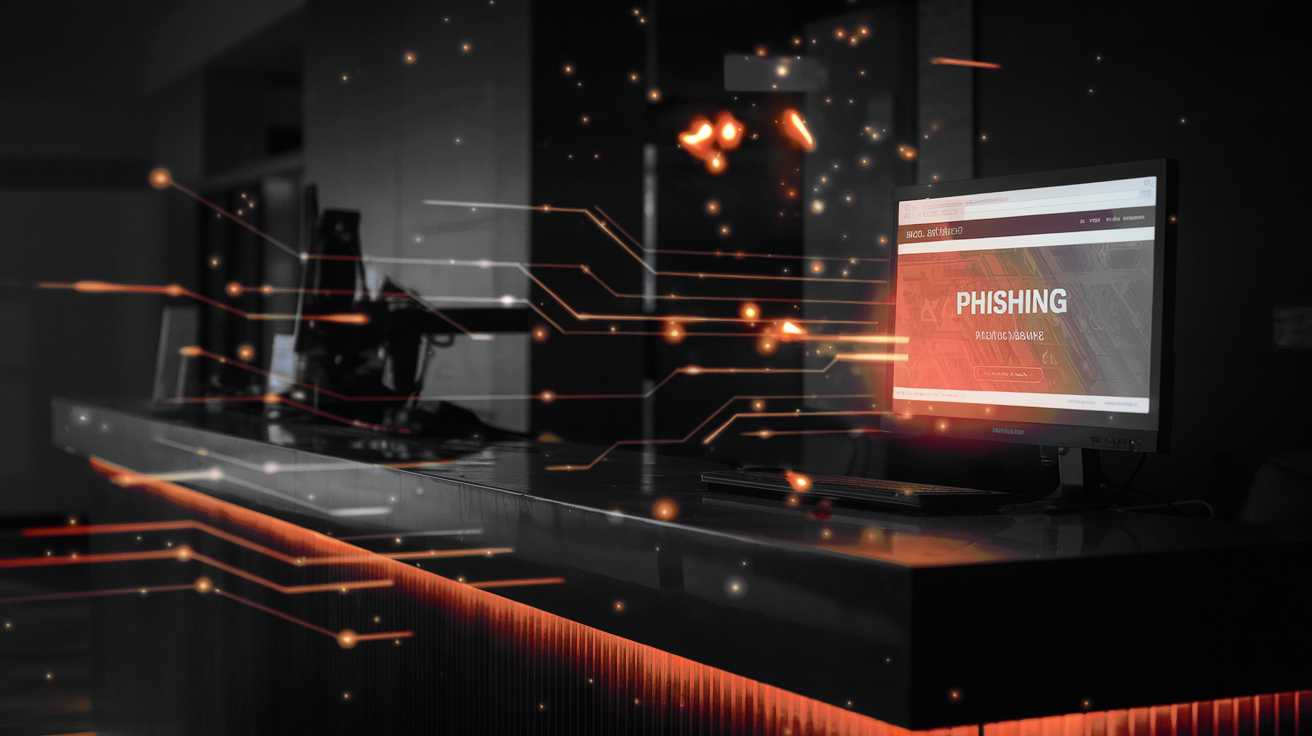
Hotels worldwide face PureRAT infections via fake Booking.com emails. The result is stolen credentials and scams against real guests.
A cybercriminal group targets Salesforce via OAuth abuse and vishing, claiming to have stolen data from 39 major firms, including Qantas and UPS.

Phishing isn’t always sloppy or random. With your own social content, attackers craft emails that mirror real conversations and current business stress.
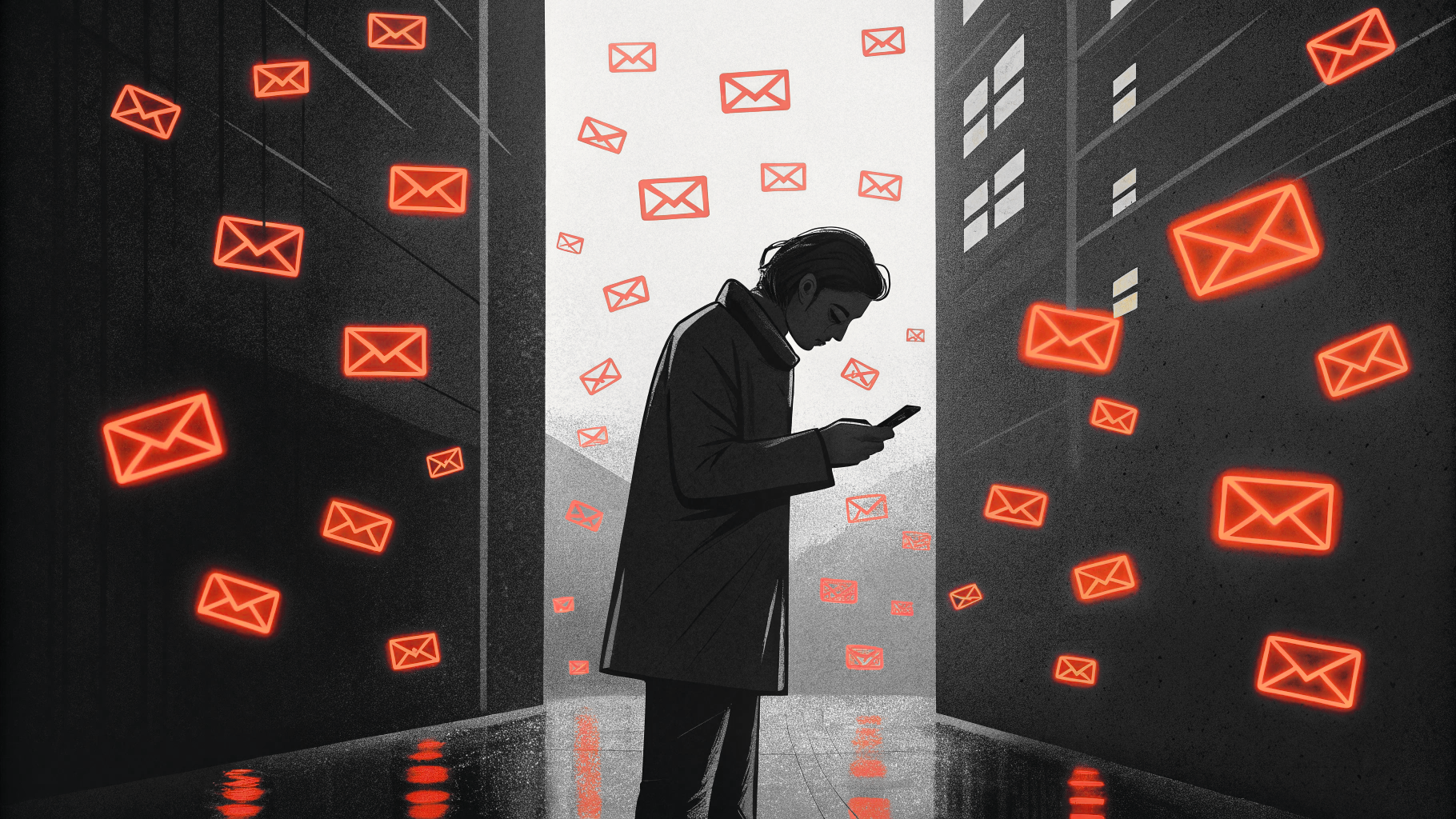
MFA is effective against automation, but targeted attacks like MFA bombing and SIM swaps are exposing its human-centered weaknesses.
PDF phishing is on the rise. Learn how attackers use trusted documents and fake phone numbers to bypass defenses in callback phishing campaigns.

Browser-in-the-Middle attacks use real websites through attacker browsers, bypassing MFA and fooling users with near-perfect phishing deception.

AI in cybersecurity is playing both sides, arming attackers and defenders with tools that get smarter every day. See how it's changing things across the board.